
Table of Contents
Forever Chemicals in Pregnancy: Pregnancy is a special phase when every mother wants to protect her developing baby from potential health risks. However, scientists have raised concerns about a group of environmental chemicals that can enter the human bloodstream, cross the placenta and even be detected in breast milk.
These substances, known as PFAS or “forever chemicals,” are found in various everyday products. Their widespread presence has become a growing concern for maternal and infant health.
What Are Forever Chemicals?
Per- and polyfluoroalkyl substances (PFAS) are synthetic chemicals used in manufacturing because of their resistance to water, heat, oil and stains.
They are called forever chemicals because many of them break down extremely slowly in the environment. Certain PFAS can also accumulate in the human body over time.
These chemicals may be found in.
- Certain non-stick cookware
- Waterproof clothing
- Grease-resistant food packaging
- Contaminated drinking water
- Some cosmetic products
- Stain-resistant carpets and furniture
How Do These Chemicals Reach Unborn Babies?
During pregnancy, the placenta supplies oxygen and essential nutrients to the developing baby. However, it cannot block every environmental contaminant.
Research published by the US Centers for Disease Control and Prevention (CDC) indicates that certain PFAS can cross the placenta and enter the baby’s bloodstream through the umbilical cord.
Exposure may occur when pregnant women consume contaminated food or water or come into contact with certain PFAS-containing products.

Can Forever Chemicals Affect a Baby’s Development?
Scientists are investigating how exposure to PFAS during pregnancy may influence children’s health and development.
Research has associated exposure to certain PFAS with potential health concerns, including:
- Lower birth weight
- Increased blood pressure during pregnancy
- Changes in immune system function
- Developmental delays
- Reduced antibody response to certain vaccines
However, the presence of these chemicals does not necessarily mean that a baby will develop health complications. The potential risk depends on the chemical involved, exposure levels and other factors.
Can Harmful Chemicals Be Present in Breast Milk?
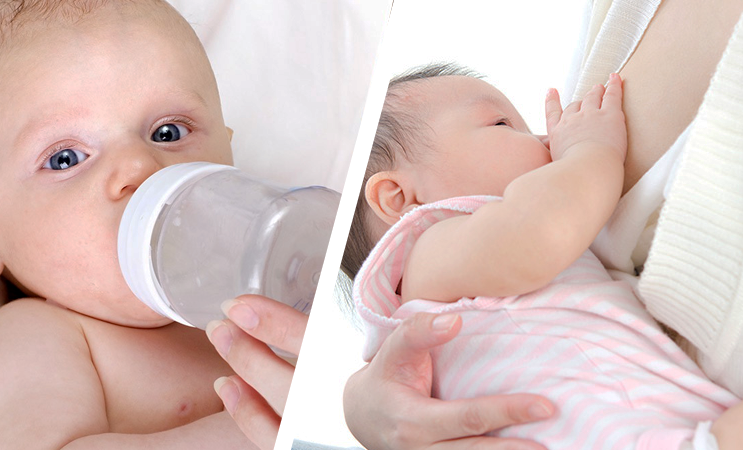
Studies have also detected certain PFAS in human breast milk. Chemicals accumulated in the mother’s body may be transferred to the baby during breastfeeding.
However, health experts strongly emphasize that mothers should not stop breastfeeding because of these findings.
Forever Chemicals in Pregnancy, According to the CDC, the established health and nutritional benefits of breastfeeding outweigh the potential risks associated with PFAS exposure for most infants.
7 Ways to Reduce Exposure to Forever Chemicals in Pregnancy
Although completely avoiding environmental chemicals may be difficult, adopting healthier everyday habits can help reduce unnecessary exposure.
1. Choose Safe Cookware
Consider using stainless steel, cast iron or glass cookware to reduce reliance on certain PFAS-containing non-stick products.
2. Drink Clean and Filtered Water
If your drinking water is contaminated with PFAS, consider using a water purification system certified to reduce these chemicals.
3. Limit Unnecessary Food Packaging
Reduce reliance on grease-resistant fast-food wrappers and disposable food packaging whenever possible.

4. Store Food in Glass Containers
Use glass or stainless steel containers for storing and reheating food.
5. Check Cosmetic Ingredients
Read product labels carefully and avoid products containing unnecessary fluorinated ingredients.
6. Keep Your Home Clean
Regularly remove household dust using a damp cloth and wash your hands before eating.
7. Attend Regular Pregnancy Checkups
Routine medical examinations are essential for monitoring maternal health and the baby’s development throughout pregnancy.
Should Pregnant Women Be Worried?
Forever Chemicals in Pregnancy, The growing presence of forever chemicals highlights the importance of environmental awareness. However, pregnant women should avoid unnecessary anxiety.
Making informed choices, maintaining a balanced diet, drinking safe water and following medical advice can help support a healthy pregnancy.
Conclusion
Forever chemicals in pregnancy are an emerging public health concern. Their ability to enter the bloodstream, cross the placenta and reach breast milk highlights the need for greater awareness and further scientific research.
Small lifestyle changes can help reduce unnecessary chemical exposure while protecting the health and well-being of both mother and baby
(Disclaimer: The information given here is based on general information. Before adopting it, definitely take medical advice. THE MONK does not confirm this.)