Chhath Puja 2026: Chhath Puja is one of the most sacred and culturally significant Hindu festivals celebrated in India and Nepal. Dedicated to Surya Dev (the Sun God) and Chhathi Maiya, this ancient festival represents gratitude, purity, devotion, self-discipline, and respect for nature.
Unlike many other Hindu festivals, Chhath Puja focuses on worshipping the Sun, a natural source of light, warmth, and energy essential for life on Earth. Devotees offer prayers to both the setting and rising Sun, expressing gratitude for life’s blessings and seeking happiness, good health, prosperity, and family well-being.
The festival is particularly popular in Bihar, Jharkhand, eastern Uttar Pradesh, and the Terai region of Nepal. However, people from these communities now celebrate Chhath Puja 2026 throughout India and in countries such as the United States, Canada, the United Kingdom, and Australia.
Chhath puja 2026 is celebrated over four days, involving traditional food preparation, cleanliness, fasting, devotional songs, and special offerings at rivers, ponds, and other water bodies.
1. When Is Chhath Puja 2026 Celebrated ?
Chhath Puja is primarily celebrated during the Hindu month of Kartik, six days after Diwali, according to the traditional lunar calendar.
Chhath Puja 2026 will be celebrated from November 13 to November 16.
The four important days are:
- November 13, 2026 (Friday): Nahay Khay
- November 14, 2026 (Saturday): Kharna
- November 15, 2026 (Sunday): Sandhya Arghya
- November 16, 2026 (Monday): Usha Arghya and Parana
The main evening worship will take place on November 15, while the final morning prayers will conclude the celebrations on November 16.
The exact sunrise and sunset timings vary according to location, so devotees should consult their local Panchang when planning the rituals.
Another form of the festival, known as Chaiti Chhath, is celebrated during the Hindu month of Chaitra, generally falling in March or April.
2. History and Origin of Chhath Puja
Chhath Puja m e2026 has deep roots in Indian religious traditions, particularly the ancient practice of Sun worship.
Surya Dev has been revered in Hindu traditions for centuries as a symbol of vitality, strength, knowledge, and life. References to Sun worship appear in Vedic literature, although the precise historical origin of today’s four-day Chhath festival cannot be established with certainty.
Several traditional stories connect the festival to Hindu mythology.
Connection With the Mahabharata
According to popular religious beliefs, Karna, the son of Surya Dev and an important character in the Mahabharata, worshipped the Sun regularly. He is traditionally associated with offering prayers while standing in water.
Another traditional account connects Chhath worship with Draupadi and the Pandavas, who are believed to have performed Sun-related prayers during periods of hardship.
These accounts are part of religious tradition rather than independently verified historical events.
Connection With the Ramayana
Some popular traditions associate Chhath Puja 2026 with Lord Rama and Goddess Sita. According to these beliefs, they performed Sun worship after returning to Ayodhya following their exile.
These mythological associations highlight the longstanding religious importance of gratitude, devotion, and the Sun in Indian culture.
3. Why Is Chhath Puja Celebrated?
Chhath Puja 2026 is celebrated to express gratitude to Surya Dev for sustaining life and to seek the blessings of Chhathi Maiya.
Devotees believe that sincere prayers can bring peace, prosperity, family happiness, and protection from difficulties.
The festival emphasizes several important values.
Gratitude: The Sun provides the light and energy necessary for life. Worshippers acknowledge its importance through prayers and offerings.
Self-discipline: Traditional fasting requires determination, patience, and spiritual commitment.
Purity: Clean surroundings, carefully prepared food, and personal cleanliness are essential aspects of the observance.
Family well-being: Many devotees pray for their children’s happiness, longevity, and successful future.
Respect for nature: Rivers, sunlight, agricultural produce, and seasonal fruits play important roles in the celebration.
Chhath Puja also strengthens community relationships as families, neighbours, and volunteers participate in preparations together.
4. Chhath puja 2026 Who Is Chhathi Maiya?
Chhathi Maiya is a deeply revered maternal divine figure worshipped during Chhath Puja.
In many regional traditions, she is associated with Shashthi Devi, who is believed to protect children and bless families with happiness and prosperity.
Devotees seek her blessings for the health and well-being of their children and other family members.
Women traditionally play an especially important role in observing Chhath Vrat. However, men can also perform the fasting and worship rituals.
Chhathi Maiya occupies a special place in the cultural and spiritual identity of many families in Bihar and neighbouring regions.
5. Four Days of Chhath Puja2026: Complete Rituals and Significance
Each day of Chhath Puja 2026 has a specific religious purpose and traditional procedure.
Day 1: Nahay Khay – Purification and Preparation
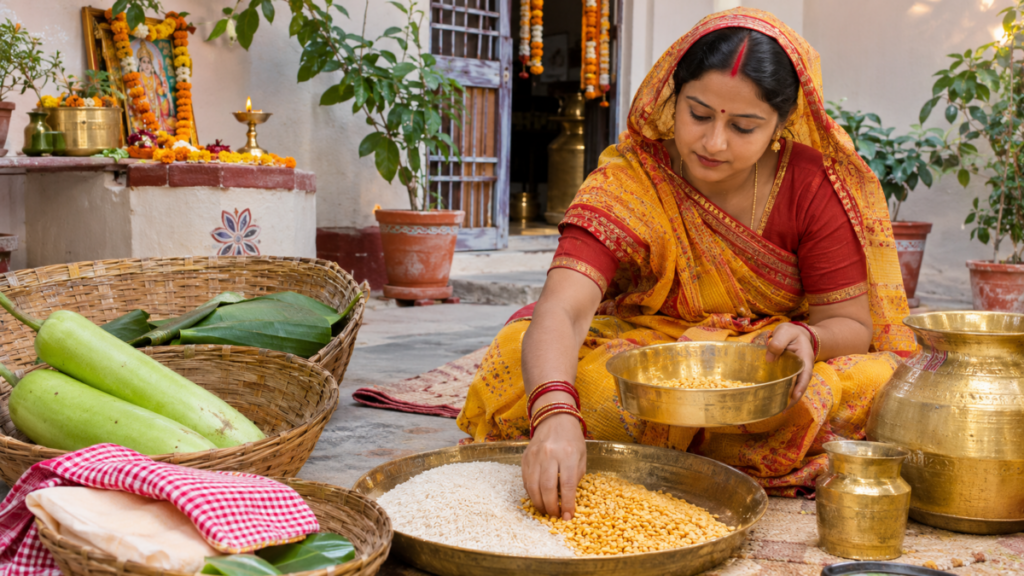
Nahay Khay marks the beginning of the four-day festival.
The words “Nahay” and “Khay” refer to bathing and eating, symbolizing physical and spiritual purification.
Devotees begin the day by bathing and cleaning their homes, kitchens, and worship areas.
A simple vegetarian meal is prepared with special attention to cleanliness.
Traditional Nahay Khay foods include rice, chana dal, and bottle gourd curry, commonly called kaddu-bhaat.
In many households, the meal is prepared without onion and garlic.
The person observing the fast eats this traditional meal and begins preparing for the stricter rituals ahead.
Significance: Nahay Khay represents purification, simplicity, and the beginning of spiritual discipline.
Day 2: Kharna – Fasting and Sacred Prasad
The second day is known as Kharna or Lohanda.
Devotees observing the traditional fast generally avoid food and water throughout the day until the evening worship.
After sunset, they prepare special prasad, usually consisting of jaggery-based rice kheer, wheat roti, and other traditional offerings.
The food is prepared with great care and is offered during prayers before being consumed by the fasting devotee.
Family members and neighbours may also receive the prasad.
Following Kharna, many devotees begin an approximately 36-hour Nirjala Vrat, during which neither food nor water is consumed until the final morning prayers.
This is a physically demanding religious practice. Pregnant women, older adults, people with medical conditions, and anyone at risk of dehydration should seek medical advice rather than undertake prolonged fasting without water.
Significance: Kharna symbolizes devotion, inner strength, sacrifice, and spiritual preparation.
Day 3: Sandhya Arghya – Worshipping the Setting Sun
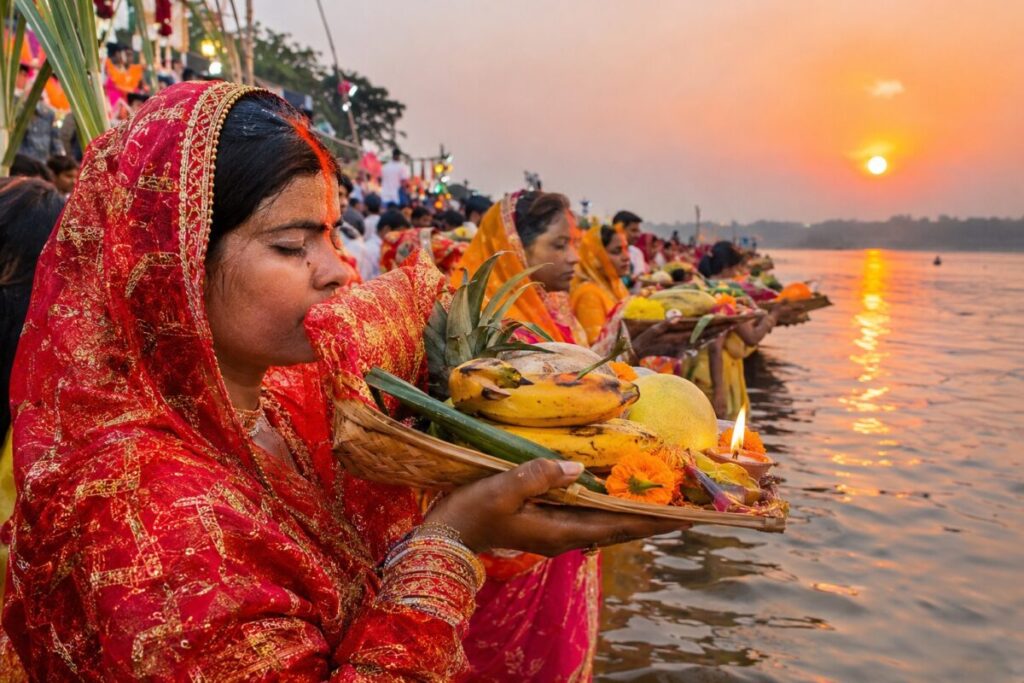
Sandhya Arghya is one of the most important rituals of Chhath Puja2026 .
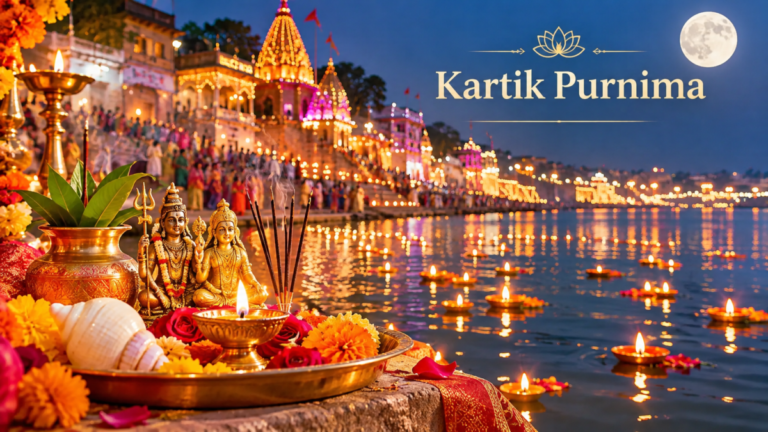
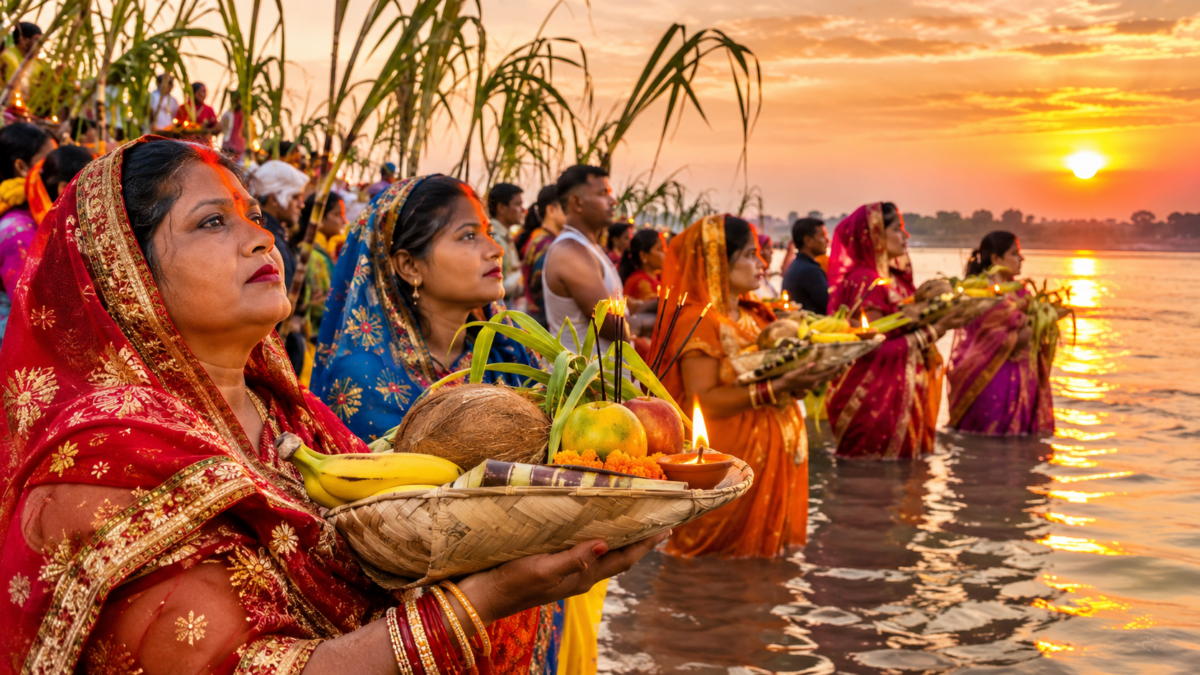
Devotees gather near rivers, ponds, lakes, or specially prepared Chhath ghats before sunset.
Families carry beautifully arranged bamboo baskets containing traditional offerings such as thekua, coconuts, bananas, sugarcane, and other seasonal fruits.
The fasting devotee traditionally stands in shallow water and offers Arghya, a sacred water offering, to the setting Sun.
Family members join in prayers and sing traditional Chhath devotional songs.

Some families perform additional rituals, including Kosi Bharai, in which sugarcane, lamps, and offerings are arranged according to local customs.
Worshipping the setting Sun is a distinctive characteristic of Chhath Puja. It symbolizes gratitude not only for new beginnings but also for the completion of life’s daily cycle.
Significance: Sandhya Arghya represents thanksgiving, humility, faith, and respect for nature.
Day 4: Usha Arghya – Worshipping the Rising Sun
The fourth and final day begins before sunrise.
Devotees return to the ghats with their offerings and wait for the first rays of sunlight.
As the Sun rises, they offer Arghya and pray to Surya Dev and Chhathi Maiya for blessings.
The morning ritual symbolizes hope, renewal, positivity, and the beginning of a new phase in life.
After completing the prayers, devotees conclude their fast through a ritual called Parana.
They consume water and traditional prasad according to their family customs.
Prasad is then distributed among relatives, neighbours, and other devotees.
Significance: Usha Arghya symbolizes new beginnings, spiritual fulfilment, gratitude, and renewed hope.
6. Traditional Chhath Puja Prasad and Food
Food offerings are among the most important parts of Chhath Puja.
Traditional prasad is generally prepared at home with carefully selected ingredients and strict cleanliness.
Thekua
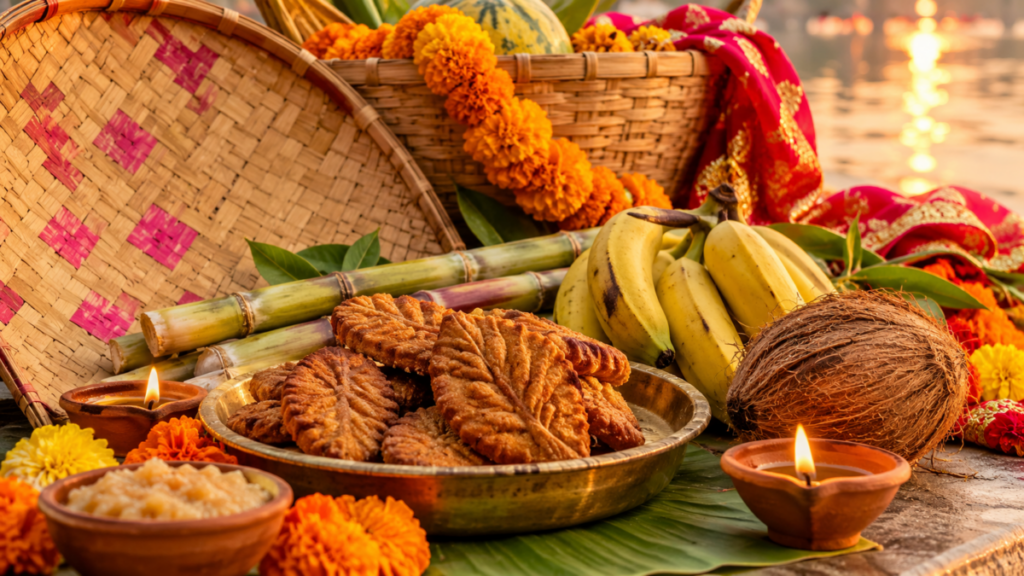
Thekua is the most recognizable traditional Chhath offering.
It is usually prepared using wheat flour, jaggery or sugar, ghee, and sometimes coconut or fennel seeds.
The dough is shaped into traditional patterns and deep-fried until golden brown.
Thekua has special cultural importance and is distributed as prasad after the rituals.
Rice Kheer
Kheer made with rice, milk, and jaggery is commonly prepared during Kharna.
It represents simplicity and devotion and forms an important part of the evening offering.
Fruits and Other Offerings
Bananas, coconuts, sugarcane, sweet lime, and other seasonal fruits are commonly included in the worship baskets.
Bamboo baskets and winnowing trays, known as soop, are traditionally used to arrange these offerings.
The exact ingredients and food customs can differ among families and regions.
7. Important Rules Followed During Chhath Puja
Chhath Puja is known for its emphasis on cleanliness, discipline, and religious dedication.
Devotees traditionally maintain clean cooking and worship areas, prepare vegetarian food, and follow family-specific rules about ingredients and utensils.
Offerings are handled carefully, and many households avoid tasting prasad before it is offered.
Traditional devotional songs and prayers form an important part of the celebration.
The most demanding practice is the Nirjala fast, but participation and fasting customs vary. Religious devotion should not come at the expense of personal safety or health.
Respecting family traditions and consulting experienced elders can help first-time participants understand the observance.
8. Environmental and Cultural Importance of Chhath Puja
Chhath Puja has a strong connection with nature and agricultural traditions.
Many traditional offerings consist of locally grown fruits, grains, and vegetables.
Bamboo baskets, earthen lamps, and other natural materials are also commonly associated with the celebrations.
The festival encourages people to appreciate sunlight, water, and the natural environment.
Modern celebrations can preserve these values by reducing plastic waste, avoiding chemical decorations, and ensuring that offerings do not pollute rivers or ponds.
Communities can also support safe and accessible ghats, clean drinking water, and proper waste collection.
These practices help protect the environment while maintaining the festival’s spiritual character.
9. How Chhath Puja Brings Families and Communities Together
Chhath Puja is more than an individual religious observance. It is also an important family and community occasion.
Relatives often travel to their hometowns to celebrate together.
Family members participate in cleaning, shopping, preparing prasad, decorating worship spaces, and arranging offerings.
Traditional folk songs create a devotional atmosphere and help preserve regional languages and cultural heritage.
Volunteers frequently assist with cleaning ghats, organizing crowds, and providing facilities for devotees.
For families living away from Bihar, Jharkhand, or Uttar Pradesh, Chhath Puja is also a meaningful way to remain connected with their cultural roots.
10. Spiritual Lessons We Can Learn From Chhath Puja
The festival offers several lessons relevant to everyday life.
It encourages gratitude for natural resources and reminds people that the environment deserves respect.
The demanding rituals symbolize patience, perseverance, and determination.
Prayers to both the setting and rising Sun communicate a powerful message: endings deserve gratitude just as beginnings deserve hope.
The festival also highlights the importance of family relationships, community cooperation, simplicity, and preserving cultural traditions.
Through these values, Chhath Puja continues to inspire devotees across generations.
Chhath Puja is a beautiful expression of faith, gratitude, discipline, and harmony with nature.
Its four days—Nahay Khay, Kharna, Sandhya Arghya, and Usha Arghya—represent a spiritual journey from purification and preparation to thanksgiving and renewed hope.
The festival’s traditional foods, devotional songs, water offerings, and family gatherings have preserved its cultural significance for generations.
Whether celebrated in a village in Bihar, on the ghats of a major Indian city, or within an overseas community, Chhath Puja continues to connect people through shared devotion and cultural heritage.
Above all, Chhath Puja reminds us to appreciate nature, respect our traditions, value our families, and approach life with humility and gratitude.
May Surya Dev and Chhathi Maiya bless everyone with happiness, peace, prosperity, and well-being. Happy Chhath Puja 2026!