Premature Birth Causes: Pregnancy is one of the most beautiful journeys in a woman’s life. Every expecting mother hopes to welcome a healthy baby after completing her pregnancy. However, in some cases, babies are born much earlier than their expected delivery date. This condition is medically known as premature birth or preterm birth.
Premature Birth Causes can occur for several reasons, including underlying health conditions, infections and pregnancy-related complications. Medical experts emphasise that understanding the risk factors and recognising early warning signs can help protect both the mother and her baby.
What Is Premature Birth?
A typical pregnancy lasts approximately 40 weeks. When a baby is born before completing 37 weeks of pregnancy, it is considered a premature birth.
According to the World Health Organization (WHO), an estimated 13.4 million babies were born prematurely worldwide in 2020.
Premature births are classified into three main categories:
- Extremely preterm: Before 28 weeks.
- Very preterm: Between 28 and less than 32 weeks.
- Moderate to late preterm: Between 32 and less than 37 weeks.
Babies born earlier in pregnancy generally require more specialised medical attention because their organs may not be fully developed.
Why Does Premature Birth Occur?
Here are some of the major factors that can increase the risk of premature delivery.

1. High Blood Pressure During Pregnancy
High blood pressure and complications such as preeclampsia can affect the health of both the mother and the developing baby.
In severe cases, doctors may recommend an early delivery to prevent potentially dangerous complications.
2. Infections During Pregnancy
Urinary tract infections, reproductive tract infections and certain other infections may increase the risk of premature labour.
Timely medical examinations and appropriate treatment can help reduce infection-related complications during pregnancy.
3. Pregnancy With Twins or Triplets
Women carrying twins, triplets or more babies have a higher risk of premature delivery. Multiple pregnancies place additional demands on the mother’s body and increase the likelihood of pregnancy-related complications.
Such pregnancies often require closer medical monitoring.
4. Weak or Short Cervix
The cervix normally remains closed during pregnancy until the body prepares for childbirth. However, some women have a shortened or weakened cervix that may open too early.
In selected cases, doctors may recommend medication or a procedure called cervical cerclage to reduce the risk of premature delivery.
5. Diabetes and Other Health Conditions
Pre-existing diabetes, gestational diabetes and certain chronic health conditions can increase the likelihood of pregnancy complications.

Managing blood sugar levels and following medical advice throughout pregnancy are important for maternal and fetal health.
6. Poor Nutrition and Unhealthy Lifestyle
Premature Birth Causes Nutritional deficiencies, low maternal weight, smoking, alcohol consumption and substance use may increase the risk of adverse pregnancy outcomes.
Eating a balanced diet, maintaining healthy habits and taking doctor-prescribed prenatal supplements can support a healthier pregnancy.
7. Previous Premature Delivery
Women who have experienced premature delivery in a previous pregnancy may have a higher risk of experiencing it again.
However, this does not necessarily mean that their next baby will also be born Premature Birth Causes. Regular medical monitoring and appropriate preventive treatment may help reduce the risk.
8. Water Breaking Too Early
Sometimes, the amniotic sac surrounding the baby ruptures before 37 weeks of pregnancy. This condition is known as preterm prelabour rupture of membranes (PPROM).
It can lead to premature labour and increase the risk of infection, requiring immediate medical evaluation.
Early Warning Signs of Premature Labour
Pregnant women should pay attention to the following symptoms before 37 weeks of pregnancy:

- Frequent or regular uterine contractions.
- Persistent lower back pain.
- Menstrual-like abdominal cramps.
- Unusual pressure in the pelvic region.
- Vaginal bleeding or changes in discharge.
- Sudden leakage of fluid from the vagina.
If any of these symptoms occur, contact a doctor or maternity hospital immediately. Reduced fetal movements also require urgent medical attention.
What Health Problems Can Premature Babies Face?
Premature babies may experience certain health complications because their organs have had less time to develop inside the womb.
These may include:
- Breathing difficulties.
- Feeding problems.
- Difficulty maintaining body temperature.
- Low birth weight.
- Increased susceptibility to infections.
- Developmental challenges.
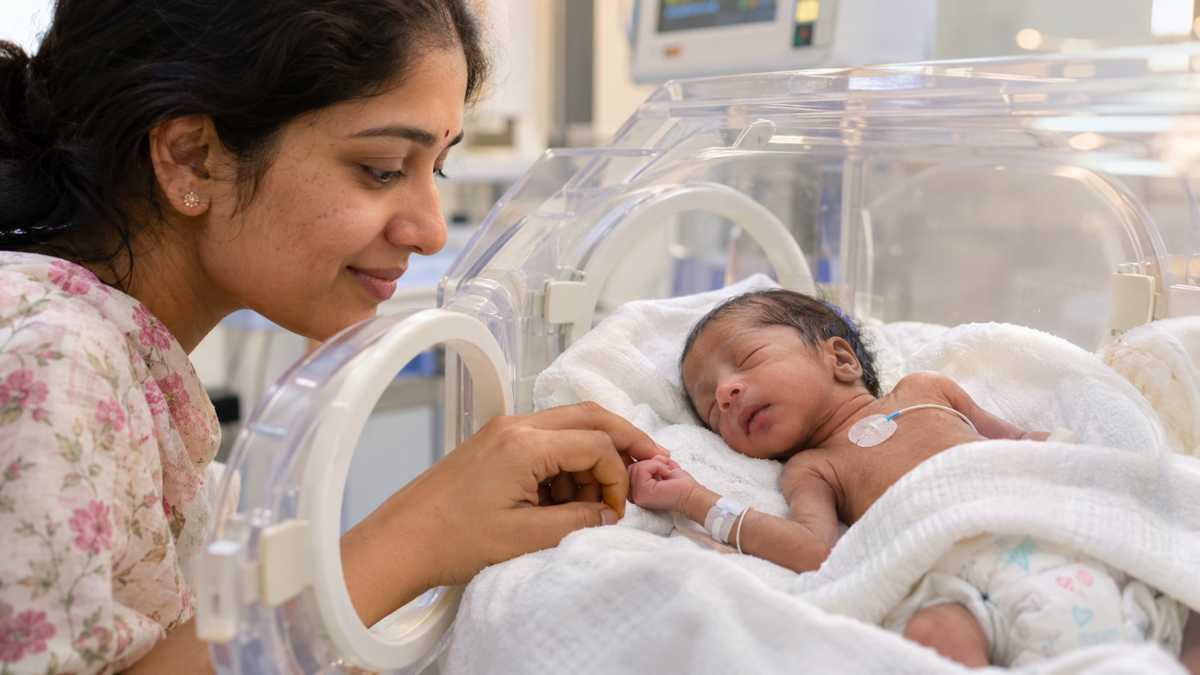
Some premature babies require treatment in a Neonatal Intensive Care Unit (NICU). With appropriate medical care, nutrition and monitoring, many Premature Birth Causes
babies grow into healthy children.
Can Premature Birth Be Prevented?
Although not every premature birth can be prevented, medical experts recommend several measures that may help reduce the risks:
- Attend regular prenatal check-ups.
- Follow a nutritious and balanced diet.
- Take prenatal supplements as prescribed.
- Manage diabetes and blood pressure.
- Seek timely treatment for infections.
- Avoid smoking, alcohol and recreational drugs.
- Follow medical advice regarding physical activity.
- Discuss any previous premature delivery with your doctor.
Doctors may also recommend specialised treatments for women identified as being at higher risk of premature labour.
Premature birth is a medical condition that can occur due to various factors, and sometimes its exact cause remains unknown. It is important to understand that an early delivery is not necessarily the mother’s fault.
Regular prenatal care, early diagnosis and timely medical intervention can make a significant difference in pregnancy outcomes. Expecting mothers should never ignore unusual symptoms and should consult their healthcare provider whenever they notice changes that cause concern.
(Disclaimer: The information given here is based on general information. Before adopting it, definitely take medical advice. THE MONK does not confirm this.)