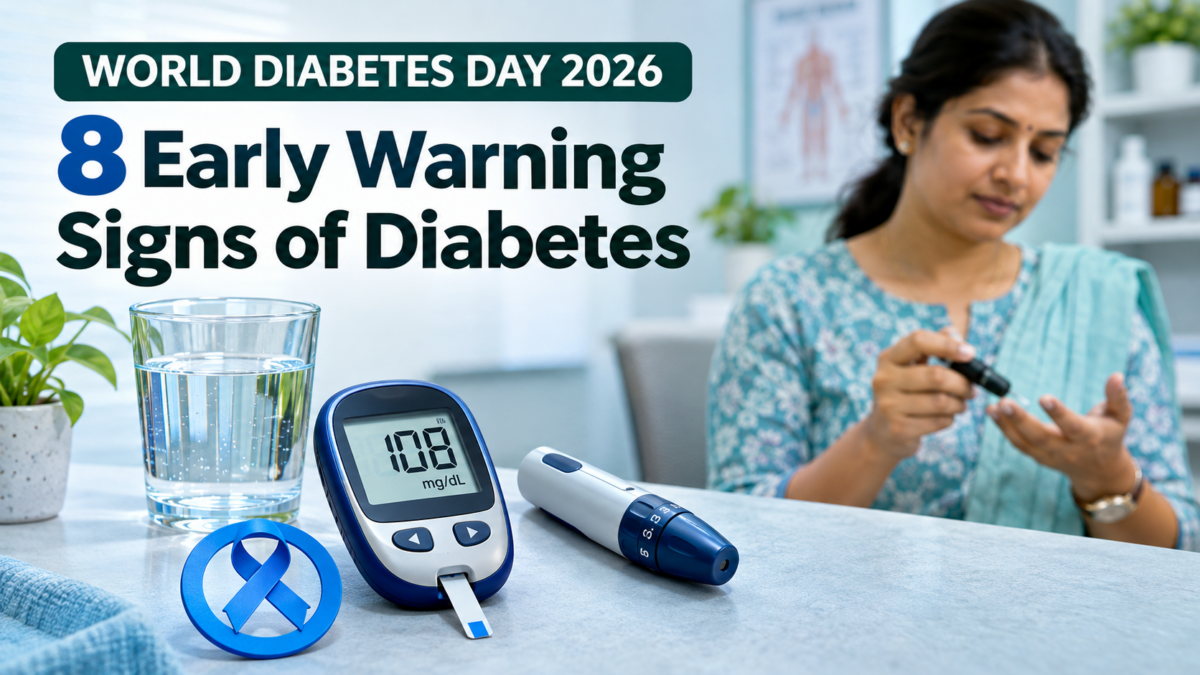
World Diabetes Day: Diabetes is one of the most common health conditions affecting millions of people worldwide. Many individuals live with high blood sugar without realizing it because the early symptoms can be mild or easily confused with everyday health problems.
Every year, World Diabetes Day is observed on November 14 to spread awareness about diabetes, encourage early diagnosis, and educate people about its prevention and management.
The theme for World Diabetes Day 2026 is “Early Action on Diabetes,” highlighting the importance of recognizing warning signs and taking timely medical action.
Understanding the early symptoms of diabetes can help prevent serious complications involving the heart, kidneys, eyes, and nerves.
What Is Diabetes?
World Diabetes Day, Diabetes is a chronic medical condition that occurs when the body does not produce enough insulin or cannot use insulin effectively.
Insulin is a hormone that helps glucose enter the body’s cells to provide energy. When this process is disrupted, glucose builds up in the bloodstream, causing high blood sugar levels.
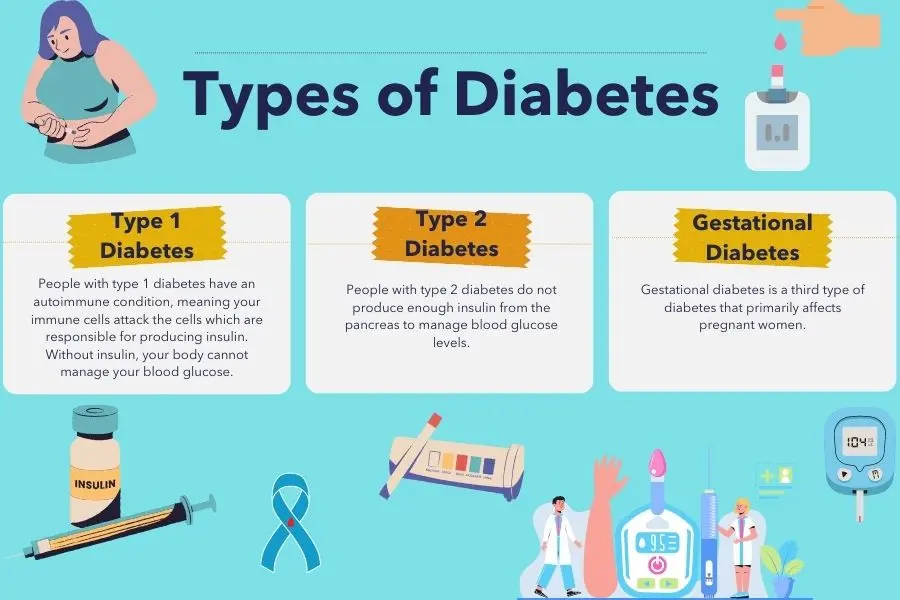
There are two main types.
Type 1 Diabetes: An autoimmune condition in which the body produces little or no insulin.
Type 2 Diabetes: A condition in which the body becomes resistant to insulin or cannot produce enough to maintain normal blood sugar levels.
Type 2 diabetes is more common and often develops gradually.
8 Early Warning Signs of Diabetes
1. Frequent Urination
One of the earliest signs of diabetes is urinating more frequently than usual, especially during the night.
When blood sugar becomes too high, the kidneys work harder to remove excess glucose through urine.
This can cause frequent bathroom visits and increased fluid loss.
If you suddenly notice unusual urination patterns, consider consulting a healthcare professional.

2. Excessive Thirst
Feeling thirsty even after drinking enough water can be another warning sign.
Frequent urination causes the body to lose fluids, leading to dehydration.
As a result, you may experience persistent thirst, a dry mouth, or an increased desire to drink water.
Excessive thirst combined with frequent urination should not be ignored.
3. Increased Hunger
People with diabetes may feel hungry even after eating regular meals.
This happens because glucose cannot enter the body’s cells efficiently, leaving them without enough usable energy.
The body may respond by sending hunger signals.
Unusual hunger accompanied by tiredness or weight changes may indicate a blood sugar problem.
4. Unexplained Weight Loss
Losing weight without changing your diet or physical activity can sometimes indicate diabetes.
When the body cannot use glucose properly, it may begin breaking down stored fat and muscle for energy.
This can lead to unexpected weight loss.
Rapid, unexplained weight loss is particularly concerning in type 1 diabetes and requires prompt medical evaluation.
5. Constant Fatigue and Weakness
Feeling tired occasionally is normal, but persistent fatigue may indicate an underlying health problem.
When glucose cannot be used efficiently for energy, the body’s cells may not receive the fuel they need.
People may experience weakness, low energy, or difficulty completing everyday activities.
Since fatigue has many possible causes, blood testing is important for identifying the reason.
6. Blurred Vision
High blood sugar can temporarily affect fluid balance within the eyes, causing blurred vision.
You may notice difficulty reading, focusing on objects, or seeing clearly.

Vision may improve when blood sugar levels stabilize, but persistent high glucose can eventually damage the retina.
Any sudden or significant change in vision should receive prompt medical attention.
7. Slow-Healing Wounds
Cuts, scratches, or minor wounds that take unusually long to heal may be associated with diabetes.
High blood sugar can interfere with circulation, immune function, and the body’s healing process.
Even small foot injuries may become serious if left untreated.
People experiencing repeated wound-healing problems should seek medical advice.
8. Frequent Infections
Repeated infections can sometimes be an early sign of diabetes.
High blood sugar may weaken certain immune responses and create conditions that encourage infections.
Common examples include urinary tract infections, yeast infections, and some skin infections.
If infections occur repeatedly or become difficult to treat, blood sugar testing may be appropriate.
Who Is at Higher Risk of Diabetes?
World Diabetes Day, Certain factors increase the likelihood of developing type 2 diabetes.
These include excess body weight, physical inactivity, family history of diabetes, increasing age, and a previous diagnosis of prediabetes.
Women with a history of gestational diabetes may also face a higher risk later in life.
However, diabetes can develop without obvious symptoms or risk factors.
How Is Diabetes Diagnosed?
Doctors use blood tests to diagnose diabetes.
Common tests include:
- HbA1c Test: Measures average blood sugar levels over approximately three months.
- Fasting Blood Glucose Test: Measures blood sugar after at least eight hours without food.
- Oral Glucose Tolerance Test: Evaluates how the body processes glucose.
An HbA1c result of 6.5% or higher or a fasting plasma glucose level of 126 mg/dL or higher may indicate diabetes.
Diagnosis generally requires confirmation, depending on symptoms and test results.

How Can You Reduce Your Risk of Type 2 Diabetes?
Healthy lifestyle habits can help prevent or delay type 2 diabetes.
Choose balanced meals containing vegetables, whole grains, pulses, and other nutritious foods.
Limit sugary beverages and highly processed foods.
Aim for approximately 150 minutes of moderate physical activity each week, according to your health and fitness level.
Maintaining a healthy weight, getting adequate sleep, and attending recommended health screenings are also important.
These habits can reduce type 2 diabetes risk, although they cannot prevent every case. Type 1 diabetes is not caused by unhealthy lifestyle choices.
When Should You See a Doctor?
Consult a healthcare professional if you notice persistent thirst, frequent urination, unexplained weight loss, or other unusual symptoms.
Seek emergency medical care for vomiting, abdominal pain, fruity-smelling breath, confusion, or rapid, deep breathing, particularly when diabetes is suspected. These can indicate diabetic ketoacidosis, a life-threatening complication.
World Diabetes Day 2026 reminds everyone that early detection and timely treatment can make a major difference.
Recognizing the eight warning signs of diabetes is an important step toward protecting your health.
Although these symptoms do not always mean someone has diabetes, they should never be ignored when persistent or unexplained.