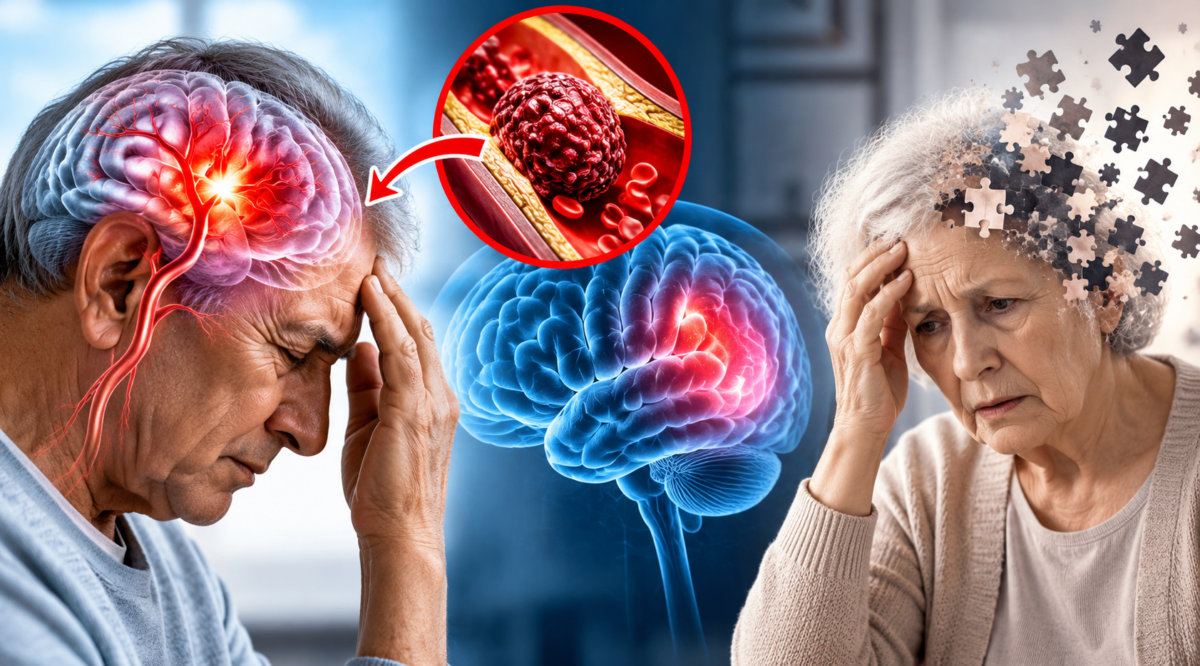
Stroke and Dementia Risk: When we talk about health threats, we often think of conditions that show obvious signs—like pain, fever, or visible changes in the body. But some of the most dangerous medical conditions remain invisible for years, quietly damaging our health. One such “silent killer” is high blood pressure (hypertension). It creeps in without symptoms, yet it significantly increases the risk of life-threatening diseases such as stroke and dementia.
Understanding why hypertension is so dangerous, how it affects the brain, and what you can do to prevent it could save your life.
Why High Blood Pressure Is a Silent Killer: Understanding Stroke and Dementia Risk
Blood pressure is the force with which your blood flows through your arteries. When the pressure is too high for too long, it damages the delicate walls of blood vessels. Unlike other conditions, hypertension doesn’t usually cause pain or noticeable symptoms until severe complications arise. You could feel perfectly healthy while your blood vessels are silently undergoing damage.
The reason it’s called a “silent killer” is because many people discover it only after experiencing a stroke, heart attack, or memory loss—by then, the damage is already done.
The Connection Between Hypertension, Stroke, and Dementia
- Hypertension and Stroke
- High blood pressure weakens and narrows arteries in the brain. This can lead to blockages or ruptures.
- A blockage prevents oxygen from reaching brain tissue, causing an ischemic stroke.
- A rupture leads to a hemorrhagic stroke, which can be fatal or leave a person with long-term disabilities such as paralysis or speech problems.
- Hypertension and Dementia
- Our brain relies on steady blood flow to function properly. When blood vessels are damaged by high pressure, parts of the brain don’t get enough oxygen and nutrients.
- Over time, this contributes to vascular dementia—a type of cognitive decline caused by reduced blood supply to the brain.
- Studies also suggest hypertension may accelerate Alzheimer’s disease, worsening memory and reasoning problems.
Simply put, hypertension doesn’t just harm your heart; it threatens your brain health too.

Risk Factors That Increase the Danger
Several factors can raise your likelihood of developing high blood pressure and its devastating consequences:
- Age – Risk increases as we grow older.
- Family history – Genetics play a role.
- Unhealthy diet – High salt, processed foods, and excessive alcohol raise blood pressure.
- Lack of physical activity – Sedentary lifestyles weaken heart and blood vessels.
- Obesity – Extra weight forces the heart to pump harder.
- Smoking – Damages artery walls, making them more vulnerable.
- Stress – Chronic stress can raise blood pressure levels over time.
How to Prevent the Silent Killer
Stroke and Dementia Risk The good news is that hypertension is largely preventable and manageable. Small, consistent lifestyle changes can dramatically reduce your risk of stroke and dementia.
1. Monitor Your Blood Pressure Regularly
Don’t wait for symptoms. Invest in a home blood pressure monitor or get regular check-ups. Knowing your numbers is the first step toward control.

2. Adopt a Heart-Healthy Diet
- Reduce salt intake—ideally less than 5 grams a day.
- Eat plenty of fruits, vegetables, whole grains, and lean proteins.
- Limit processed foods, sugary drinks, and excessive caffeine.
- Include foods rich in potassium (like bananas and spinach) to balance sodium levels.
3. Stay Physically Active
Aim for at least 30 minutes of moderate exercise (like brisk walking, cycling, or swimming) five days a week. Physical activity strengthens the heart and improves blood flow.
4. Maintain a Healthy Weight
Even a small weight loss can significantly lower blood pressure. Focus on gradual, sustainable changes instead of crash diets.
5. Quit Smoking and Limit Alcohol

Smoking accelerates artery damage, while excessive alcohol raises blood pressure. Cutting down—or quitting altogether—can dramatically improve health.
6. Manage Stress
Chronic stress is harmful for both the heart and brain. Practice relaxation techniques such as yoga, meditation, or even simple deep-breathing exercises.
7. Take Medication If Prescribed
For some, lifestyle changes may not be enough. If your doctor prescribes antihypertensive medication, take it regularly as directed. Skipping doses can undo progress and increase risk.
The Bigger Picture: Protecting Both Heart and Brain

Stroke and Dementia Risk by controlling high blood pressure, you’re not just avoiding heart disease—you’re protecting your brain from stroke and dementia. Research shows that people who manage hypertension effectively have better cognitive function in older age. Prevention is not just about living longer but about living a healthier, more independent life.
Stroke and Dementia Risk High blood pressure is one of the leading causes of preventable death worldwide, yet it often goes unnoticed until it’s too late. It is indeed a “silent killer,” but the power to fight it lies in your hands. By adopting healthy habits, staying alert to your blood pressure levels, and seeking timely medical care, you can significantly reduce your risk of both stroke and dementia.
(Disclaimer: The information given here is based on general information. Before adopting it, definitely take medical advice. THE MONK does not confirm this.)