Table of Contents
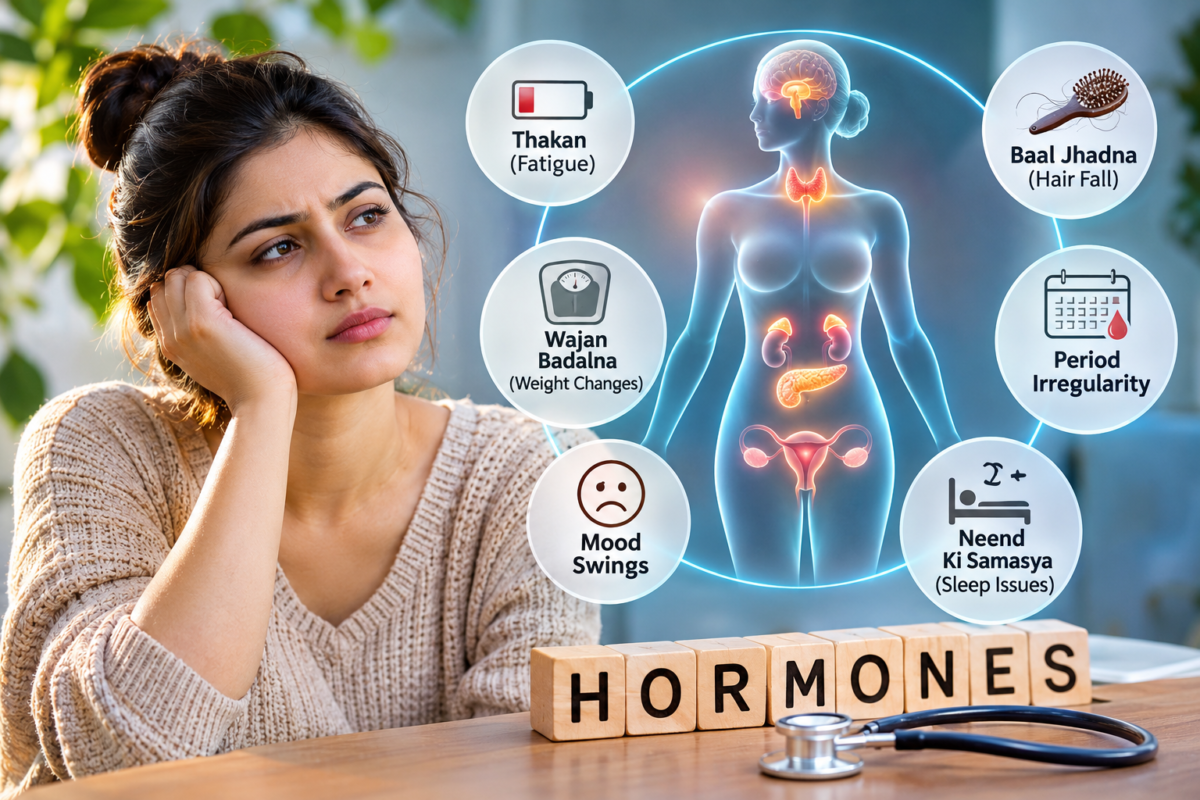
What Are Hormones: Do you often feel tired, experience sudden weight changes or struggle with unexplained mood swings? Sometimes, these problems may be linked to hormonal changes in the body. Hormones play an essential role in maintaining physical and mental health. From regulating sleep and digestion to controlling growth, metabolism and reproductive health, these chemical messengers influence numerous bodily functions.
When the body does not produce enough of a particular hormone, it can lead to several health complications. Understanding the causes and symptoms of hormone deficiency can help you recognise potential problems and seek timely medical care.
What Are Hormones?
What Are Hormones, Hormones are chemical messengers produced by various glands and organs in the body. They travel through the bloodstream and deliver signals to different organs and tissues, helping them perform their functions properly.
The thyroid gland, pituitary gland, adrenal glands, pancreas, ovaries and testes are among the major hormone-producing organs.
Even relatively small changes in certain hormone levels can affect overall health.
Important Types of Hormones in the Human Body
- Insulin: Helps regulate blood sugar levels.
- Thyroid hormones: Control metabolism and energy production.
- Estrogen: Supports female reproductive health and bone health.
- Progesterone: Helps regulate the menstrual cycle and supports pregnancy.
- Testosterone: Supports reproductive health, muscle development and bone strength.
- Cortisol: Helps regulate the body’s response to stress and maintain blood pressure.
- Melatonin: Helps regulate the sleep-wake cycle.
- Growth hormone: Supports growth, development and tissue maintenance.
What Happens When the Body Has a Hormone Deficiency?
Hormone deficiency occurs when the body produces insufficient amounts of a particular hormone. Its effects depend on which hormone is deficient and how severe the deficiency is.

For example, insufficient thyroid hormones may slow metabolism, while low insulin production can cause dangerously high blood sugar levels. A deficiency of reproductive hormones may affect fertility, menstrual cycles and bone health.
Without appropriate treatment, certain hormone deficiencies can contribute to long-term health complications.
Common Symptoms of Hormone Deficiency
Hormone deficiency can affect both men and women. Some possible warning signs include:
- Persistent fatigue and weakness
- Unexplained weight gain or weight loss
- Excessive hair fall
- Dry skin
- Mood swings or depression
- Difficulty sleeping
- Irregular or missed menstrual periods
- Reduced sexual desire
- Muscle weakness
- Increased sensitivity to cold
- Difficulty concentrating
- Fertility problems
- Reduced bone density
These symptoms can also occur due to other medical conditions. Experiencing them does not necessarily mean you have a hormone deficiency.
What Causes Hormone Deficiency?
1. Ageing
Hormone production naturally changes with age. Estrogen levels decline during menopause, while testosterone levels may gradually decrease in men as they grow older.
2. Autoimmune Disorders
Certain autoimmune conditions can damage hormone-producing glands. This may interfere with their ability to produce sufficient hormones.
3. Poor Nutrition
Severe nutritional deficiencies, inadequate calorie intake and unhealthy eating patterns can affect the production of certain hormones.

4. Chronic Stress
Prolonged stress can disrupt the regulation of hormones involved in sleep, metabolism and reproductive health. However, stress alone does not necessarily cause a clinical hormone deficiency.
5. Thyroid and Pituitary Disorders
Problems affecting the thyroid or pituitary gland can interfere with several important hormonal functions in the body.
6. Medications and Medical Treatments
Certain medications, surgeries, radiation therapy and cancer treatments can affect hormone production.
7. Genetic Conditions
Some inherited medical conditions can affect the development or functioning of hormone-producing glands.
How Is Hormone Deficiency Diagnosed?
Doctors may recommend specific tests depending on the symptoms, medical history and physical examination.
These may include thyroid function tests, blood sugar tests, cortisol tests and tests to measure reproductive hormone levels. In certain cases, imaging studies or specialised hormone stimulation tests may also be required.
Getting a proper diagnosis is important because different hormone deficiencies require different treatments.

How Is Hormone Deficiency Treated?
Treatment depends on the underlying cause and the hormone involved.
Doctors may prescribe hormone replacement therapy when medically appropriate. For example, thyroid hormone medication may be prescribed for hypothyroidism, while people with type 1 diabetes require insulin treatment.
In some cases, treating an underlying medical condition or correcting a nutritional deficiency may help restore normal hormonal function.
Hormonal medicines and supplements should never be taken without medical supervision, as incorrect treatment may cause serious side effects.
Natural Ways to Support Hormonal Health
Healthy lifestyle habits can support normal hormonal function and improve overall well-being.
- Eat a balanced diet rich in protein, vegetables, fruits and healthy fats.
- Get seven to nine hours of quality sleep every night.
- Exercise regularly without excessive physical strain.
- Manage stress through yoga, meditation or breathing exercises.
- Maintain a healthy body weight.
- Avoid smoking and excessive alcohol consumption.
- Avoid extreme dieting and unnecessary hormonal supplements.
Although these habits can support hormonal health, they cannot replace medical treatment for a diagnosed hormone deficiency.
When Should You Consult a Doctor?
If you experience persistent fatigue, unexplained weight changes, irregular periods, excessive thirst or other unusual symptoms, consult a healthcare professional. Severe weakness accompanied by What Are Hormones, fainting, confusion or persistent vomiting requires urgent medical attention.

An endocrinologist can help identify hormone-related conditions and recommend appropriate treatment.
Hormones are essential for maintaining the body’s natural functions. Recognising unusual symptoms, following healthy lifestyle habits and seeking timely medical advice can help protect your long-term health.
(Disclaimer: The information given here is based on general information. Before adopting it, definitely take medical advice. THE MONK does not confirm this.).