
The Day of The Dead: In the heart of Mexico, where the wind hums ancient songs and marigolds burn brighter than fire, there exists a day when the line between the living and the dead blurs — “El Día de los Muertos”, The Day of the Dead.
It is not a day of sorrow. It is a day of remembrance, honor, and love so powerful that it defies death itself.
Long ago, the Aztecs believed that death was not the end, but a new chapter in the endless cycle of existence. They spoke of Mictlán, the Land of the Dead — a realm where spirits traveled before finding peace. The living would call upon them once every year, not with fear, but with celebration. This ancient faith still breathes today, woven into Mexican culture like gold threads in black silk.
The Rituals and the Myster
On the nights of November 1st and 2nd, the air grows still.
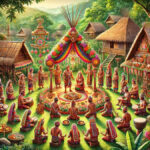
Families begin to prepare “ofrendas” — sacred altars covered with marigolds, candles, sugar skulls, and photographs of ancestors.
Each object tells a story
- The candlelight guides lost souls home.
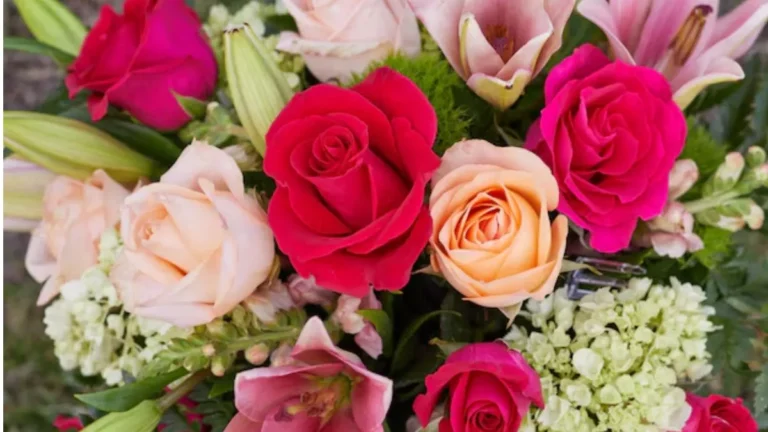
- The marigolds, known as “flowers of the dead,” create a bright path for spirits to follow.
- The pan de muerto, a sweet bread, represents the cycle of life and death.
- And the photographs — they are portals, calling loved ones back through memory.
At midnight, whispers rise in the wind. It is said that the spirits walk among the living, unseen but felt — in the flicker of a flame, the scent of copal incense, or the laughter of a child.
Those who listen closely might hear a soft voice — a grandmother’s lullaby, a father’s chuckle, a lover’s promise.
The night becomes a bridge between worlds, glowing with both grief and joy.
The Emotion and the Reason
Unlike other cultures that mourn the dead in silence, the people of Mexico celebrate them with life — with music, food, colors, and stories.
Because to forget someone is the only true death.
And so, every year, they dance and sing to ensure that their loved ones never fade from memory.
The Day of the Dead reminds the world of one eternal truth
We die only when no one remembers our name.
Symbolic Meaning (The Deeper Mystery)
- Marigold petals symbolize the fragility of life and the golden road to eternity.
- Sugar skulls mock death — turning fear into laughter, sorrow into art.
- Skeletons dancing are not horror, but humor — a reminder that life and death are partners, not enemies.
- Ofrendas are more than decoration; they are doors to the afterlife built by love.
The Modern Spirit
Today, the Day of the Dead has become both a sacred tradition and a celebration of identity.
From small villages to the streets of Mexico City, people paint their faces like skulls, wear flower crowns, and march through candlelit parades.
They are not mourning — they are welcoming.
Welcoming those who came before them, and reminding themselves that one day, they too will be remembered under the glow of a marigold sun.
When night falls on the Day of the Dead, the earth breathes with ghosts and love alike.
The living and the dead share one heartbeat — for a moment, one soul.
And in that golden silence between two worlds, eternity whispers
“No one is truly gone.”
Would you like me to make this story sound more like a short film script (with scene descriptions and dialogue), or keep it in this poetic storytelling form?